An announced deal, not a completed acquisition
OpenAI announced on November 4 that it will acquire Pierre Computer Company, the company behind the Trees and Diffs libraries and Code Storage. The announcement says those libraries are already used in the Codex app for file navigation and change review. It does not say the transaction has closed: closing remains subject to customary conditions, including regulatory approvals, and the two companies remain separate and independent until then.
That status matters for developers and customers. OpenAI says Pierre’s open-source projects will remain open source and that it will continue contributing. It also says customers can continue using Code Storage after closing while the company works to bring its features into Codex. Those are commitments and plans from the announcement, not evidence that an integration has shipped or that current service terms have already changed.
The tools named in the announcement
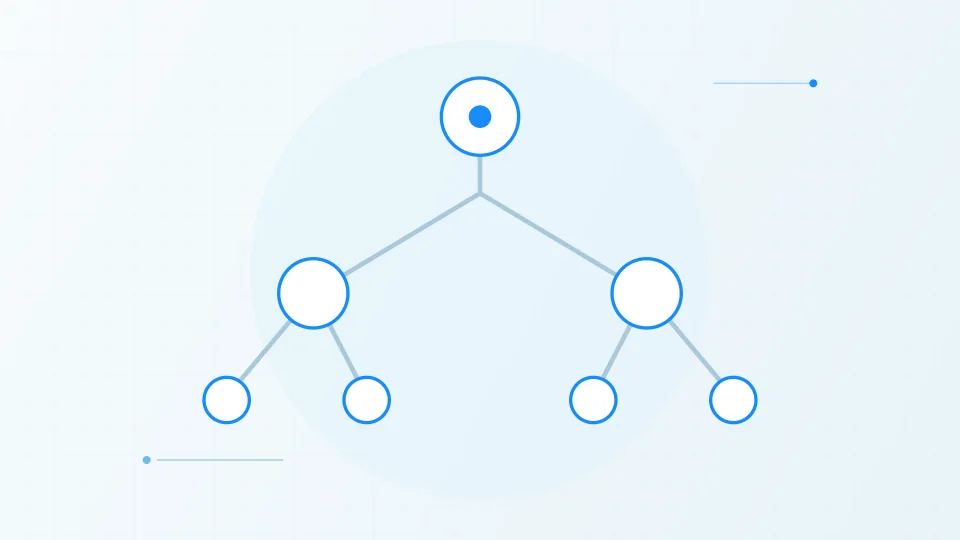
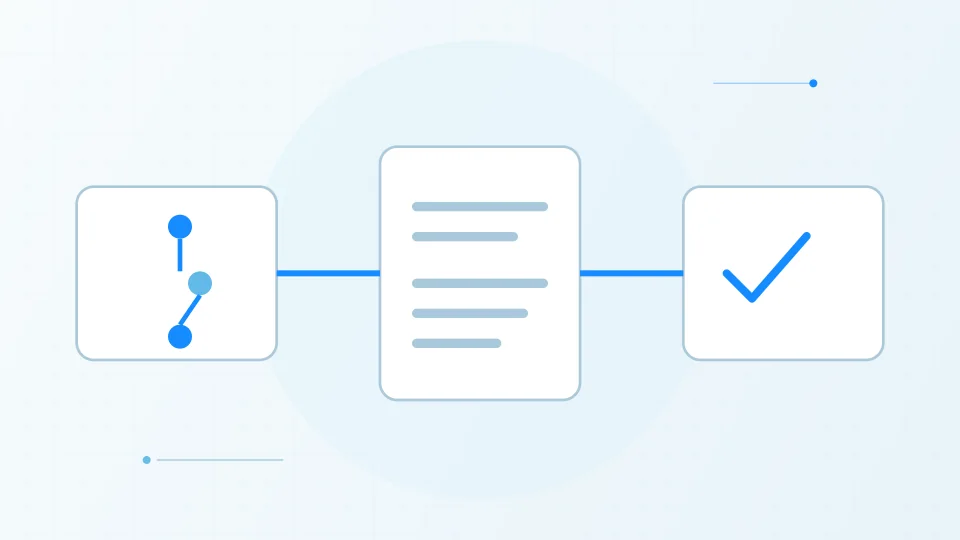
Trees is described as a fast way to navigate project files, while Diffs presents code changes for review; Diffs also has an Edit mode for changing a line where a reviewer finds an issue. OpenAI mentions Highlights, a syntax highlighter, and Code Storage, a service for storing code and tracking its history using Git. The announcement frames these as complementary to the existing Git workflows developers use with coding agents.
These capabilities address different parts of a development loop. Repository structure helps a person or agent understand where work belongs; a diff makes proposed changes inspectable; Git records versions and collaboration; and a hosted code-history service may add an API surface. An acquisition announcement alone does not establish how these pieces will be packaged, priced, hosted or interoperable after a transaction closes.
Why coding agents put pressure on Git workflows
When several agents or developers work in parallel, the number of branches, patches and review decisions can grow. A fast file tree or readable diff may reduce navigation friction, but the core engineering questions remain: which change is authoritative, how conflicts are resolved, how tests are tied to a patch and who approves deployment. Better presentation is useful only if the underlying history and review state remain trustworthy.
OpenAI connects the announcement to its own Pando source-control backend and says it wants Codex to coordinate code with the decisions teams make. That is a statement of direction. It should not be read as a promise that Pierre’s products will become the universal Git backend or that existing Git providers will disappear.
What developers should watch
For now, continue assessing Trees, Diffs and Code Storage under their current documentation and terms. Teams adopting new code-storage services should check export paths, repository portability, access controls, audit logs, data retention and how Git history can be recovered if a service changes. Open-source users should follow each project’s repository and license rather than infer a governance model from the corporate transaction.
The most useful milestones will be the acquisition closing, any published changes to service terms, and concrete integration documentation. Until those appear, separate confirmed facts—OpenAI intends to acquire Pierre, named libraries are used in Codex, and open-source projects are promised to remain open—from future product possibilities that have not been announced in detail.
Sources & further reading
Have a factual correction or a source to suggest? Contact the editorial desk.