
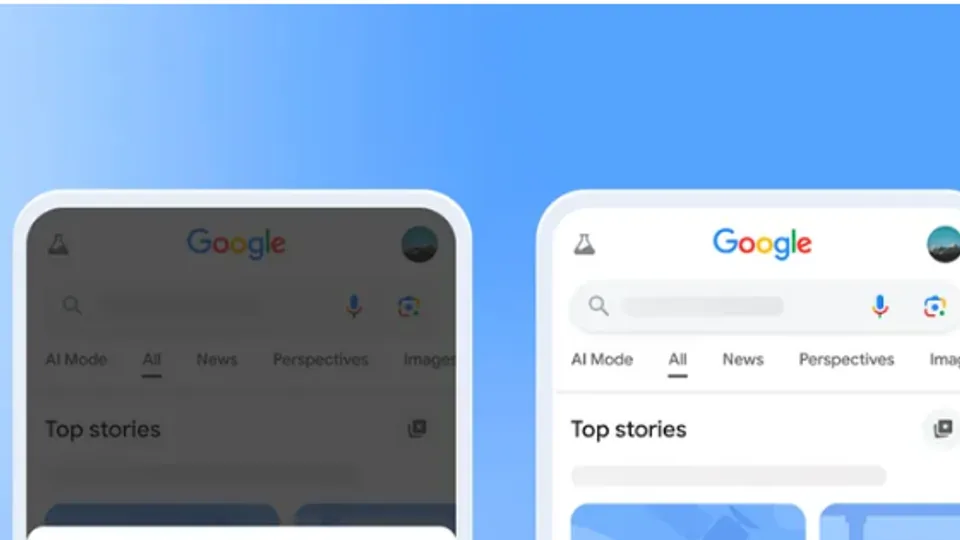
Reader-selected sources are reaching more surfaces
Google announced in May 2026 that Preferred Sources was expanding to all supported languages. A separate Google Search Central guide explains that publishers can provide a control that helps readers add a site as a preferred source. Google also described surfacing preferred sources in AI Overviews and AI Mode in an update later that month.
The feature gives readers a way to ask Google to show more coverage from selected publishers in relevant search experiences. It is a reader preference, not a guarantee that every article will appear, a ranking shortcut or a substitute for editorial quality and technical accessibility.
Eligibility should be checked, not presumed
Google’s publisher guidance says the control is relevant when a site appears in the source-preferences experience. That means a publisher should first check whether its domain is actually discoverable and eligible in the current tool and market. We have not verified CherTra’s publication eligibility or source listing, so this site should not show an “add us” prompt yet.
If a site is eligible, the official implementation is a small script and a publisher control supplied by Google. Because that introduces a third-party request and changes a user’s journey, the publisher should follow Google’s current instructions, load the feature only where it is useful, and offer a clear explanation rather than a persistent interruption.
The feature does not change the core publishing work
A preferred-source control cannot make a weak article useful, resolve a duplicate canonical or create a trustworthy publication history. Search systems still need to fetch the page, identify the article, understand its source and find a readable, unique contribution. Clear authorship, dates, sources and correction practices remain valuable to readers regardless of interface changes.
Publishers should also distinguish the claims Google makes about the feature from their own analytics. A platform announcement may report usage observations, but a small publisher should measure its own traffic and reader behavior before attributing changes to a source preference.
A measured publisher checklist
Confirm that the publication and articles are crawlable, that canonical URLs are stable and that the content has clear authorship and publication dates. Check the Google Search Central guide for the current control code, then verify the feature on a test page without adding a second script copy site-wide.
CherTra News will revisit the feature only after the domain’s eligibility can be confirmed through Google’s own interface. Until then, there is no special button to add: the priority is to publish sourced, useful articles that readers can evaluate on their merits.
Sources & further reading
Have a factual correction or a source to suggest? Contact the editorial desk.